Explore CHI
Lymphatic Drainage
Lymphatic drainage and bodywork
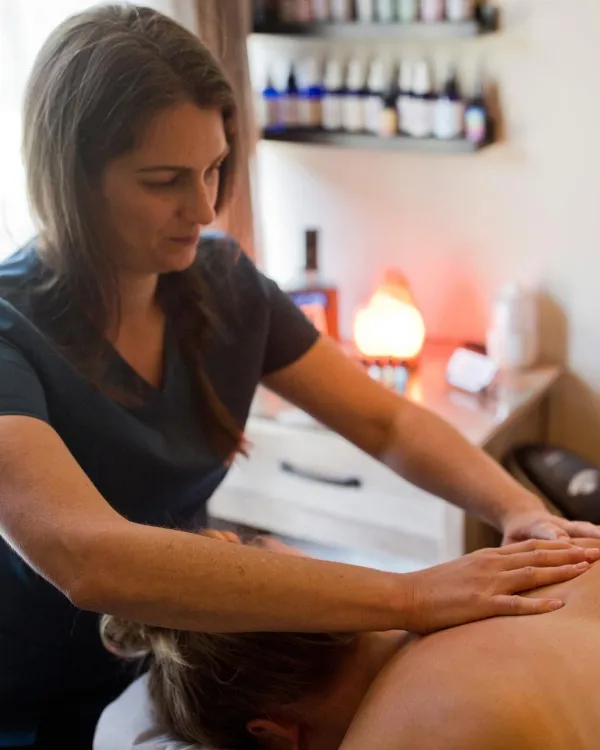
Lymphatic drainage is a gentle massage method intended to encourage the movement of lymph, the fluid carried through the lymphatic system. Cohn Health Institute offers it within Massage and Bodywork. Heather VanRoekel includes lymphatic drainage massage among her specialties.
CHI’s service description emphasizes light pressure and rhythmic, circular movements. This gives the service a different purpose and feel from massage directed at a tight muscle. Understanding the system being addressed helps explain why deeper pressure is not the defining feature of lymphatic work.
The fluid between cells
Fluid circulates through more than blood vessels. Some fluid moves into the spaces around the body’s cells, where it is called interstitial fluid. The lymphatic system collects excess fluid from those spaces and returns it toward the bloodstream. Once that fluid enters lymphatic vessels, it is called lymph.
This return route helps maintain fluid balance. The system also has roles in immune function and the absorption of certain fats. Lymph nodes are part of it, along with lymph vessels and organs such as the spleen and thymus. Nodes are not storage containers that need to be emptied through massage. They are working parts of a larger biological system. NCI’s lymphatic system definition
Small lymphatic capillaries collect fluid from tissues. The fluid then travels through a network of larger vessels. Valves help keep it moving in one direction. This is a separate network from the arteries that carry blood away from the heart, even though the lymph eventually returns to the circulation. NCI’s anatomy explanation
How lymph moves
The service description at CHI explains two contributors to lymph movement: contractions within the walls of lymph vessels and movement of surrounding skeletal muscles. The vessels carry lymph toward lymph nodes and onward through lymph ducts, which return it to the cardiovascular system.
That account is useful because the word “drainage” can sound like a passive process. The body already moves lymph. The massage method is intended to encourage that movement; it does not create a new drainage system or remove lymph from the body through the skin.
CHI describes manual lymph drainage as using a specific, light amount of pressure with rhythmic circular movements. Its focus is therefore different from the firm pressure someone might request for a sore back. It also differs from a home device applying compression. Those methods may appear in discussions of lymphatic care, but their names should not be treated as interchangeable descriptions of one appointment.
Lymphatic drainage and lymphedema
Lymphedema is swelling associated with impaired lymph drainage. Cancer or its treatment can sometimes disrupt lymph flow, although an online description cannot establish the cause of an individual’s swelling. New or changing swelling needs medical assessment.
The National Cancer Institute describes manual lymphatic drainage as one possible element of complete decongestive therapy. That broader treatment may include compression, exercise, and skin care, under the direction of a trained professional. A massage appointment is not automatically a complete lymphedema treatment program. NCI’s lymphedema information
For someone with a diagnosed condition, the distinction affects the care they need. A named massage service alone does not establish that a provider offers compression fitting, specialized lymphedema management, or care after a particular operation. Existing instructions from a treating medical team remain relevant. Discuss them before arranging bodywork.
Bodywork and facial services
This page covers lymphatic drainage within CHI’s Massage and Bodywork department. Facial lymphatic drainage also appears in Elena Elders’ esthetics work. That service has its own context within skincare, along with facial massage and other treatments.
If your interest is a facial treatment, visit Esthetics and Elena Elders’ profile. If you are asking about bodywork, start with Heather VanRoekel. This distinction helps you reach the right service without assuming that the same session covers both facial skincare and body concerns.
Craniosacral therapy is another light-touch option within Massage and Bodywork. It uses a different treatment model. Similar pressure does not mean the techniques have the same purpose, and there is no need to select several services simply because they appear in one department.
Understanding the aim of a session
The intention to encourage lymph movement is more specific than a broad promise to “detox.” It does not establish weight loss, a change in immunity, or a cure for swelling. The useful question is what the proposed work is meant to address for you and how its effect would be assessed.
A person’s comfort during a session and a measurable change in a medical condition are separate observations. Both can be described, but one does not prove the other. If you have a diagnosis, recent surgery, or instructions about massage, share those details with the practitioner before care begins.
Planning a visit
The Massage and Bodywork page introduces the department. For scheduling, contact our office and specify that you are asking about lymphatic drainage. New patient paperwork is available through Get Started. Complete it before the appointment when possible, or arrive 30 minutes early to complete it at the office.